
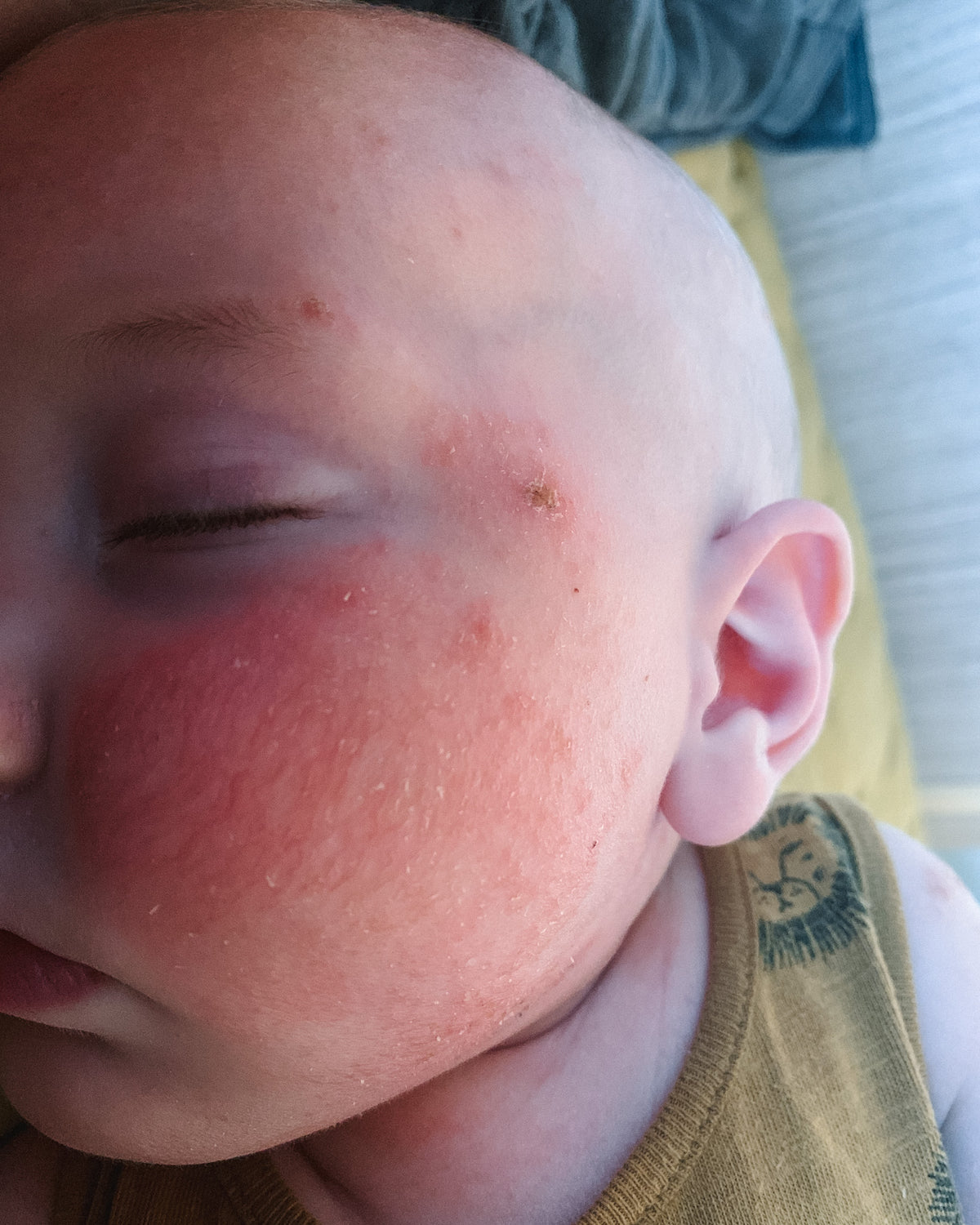



Research the RootCradle CapIssue 13.0
The Connection Between Cradle Cap, Yeast, and Your Baby's Microbiome
Cradle cap is more than flaky skin. Understand the role of yeast, how your baby's microbiome develops, and why recurring digestive, skin, and immune symptoms should never be dismissed.
Read the full article
The Connection Between Cradle Cap, Yeast, and Your Baby's Microbiome
I’ve heard this story from so many mothers, and I’ve experienced it with my own children. It usually goes something like this…
Your baby is only a few weeks old when you notice thick, yellowish flakes beginning to form across their scalp.
You ask your pediatrician about it, and you're told, “It's just cradle cap.”
“It's common. It's harmless. They'll grow out of it.”
And usually, they do.
But there's something important happening beneath those flakes that most of us are never taught to understand.
One of the microorganisms associated with cradle cap is a yeast called Malassezia. That yeast is interacting with your baby's developing skin microbiome, the oils being produced by their sebaceous glands, and the immune responses occurring in the surrounding tissue.
At the same time, an entirely different microbial ecosystem is developing inside your baby's digestive tract.
Beneficial bacteria are establishing themselves. The intestinal barrier is maturing. The immune system is learning how to recognize dangerous microorganisms while tolerating harmless ones.
And many of the microorganisms participating in that development came from you.
Your Baby's Microbiome Is Deeply Connected to Yours
Your baby doesn't enter the world with a fully developed gut microbiome. The microbial communities that will participate in digestion, nutrient metabolism, immune regulation, and countless other biological processes are just beginning to establish themselves.
And your body is one of their most important sources.
In August 2026, researchers published a remarkable study in Nature examining 714 mother-infant pairs. They analyzed 4,526 stool samples collected throughout pregnancy and the first year postpartum, along with information about delivery, feeding, maternal health, and environmental exposures.
What they discovered was significant.
The maternal gut microbiome was a major source of the bacterial strains establishing themselves inside the infant gut.
The researchers also found that the abundance of certain bacteria in the mother's gut influenced how frequently those strains were transmitted to her baby.
And some of those transmitted microorganisms persisted as the baby's microbiome continued developing.
This is an important distinction. We're not simply talking about mothers and babies having similar types of bacteria. Researchers can identify specific bacterial strains shared between them.
That gives us direct evidence of microbial transmission.
Another study published in Nature Communications in 2023 examined the transmission of Bifidobacterium species from mothers to their babies.
These bacteria are particularly interesting because certain species are well adapted to the infant intestinal environment and can metabolize specialized carbohydrates found in breast milk.
Researchers identified maternal-to-infant transmission of these organisms, adding to our understanding of how the infant microbiome becomes established.
And here's why I find this research so important.
For generations, we've understood that a mother's nutrition, hormones, and overall health influence her baby's development.
Now we know just how extensively her microbiome contributes to that development, too.
This changes the conversation about maternal health.
It also raises an important question about yeast.
The Connection Between Maternal Microbial Transfer, Yeast, and Cradle Cap
We know that mothers transfer microorganisms to their babies during birth and through close contact in early life.
We also know that yeast is part of the human microbiome.
And we know that a yeast called Malassezia is associated with cradle cap.
When we bring these findings together, an important connection emerges.
The microorganisms a baby acquires during early life help establish the microbial environment in which their skin develops.
A baby's skin isn't sterile. It's becoming home to a community of bacteria, fungi, and other microorganisms, all interacting with the skin's natural oils, protective barrier, and immune responses.
Malassezia is particularly interesting because it metabolizes components of sebum, the oil produced by the skin's sebaceous glands. In susceptible skin, products of that metabolism can contribute to inflammation and the characteristic scaling of seborrheic dermatitis.
Maternal hormones also influence sebum production during early infancy, creating another connection between the mother's biology and the conditions developing on her baby's scalp.
So we're looking at several biological processes occurring together: microbial acquisition, yeast colonization, hormonal influences, skin oil production, and immune responses.
My interpretation of this research is that cradle cap gives us a visible example of how a baby's developing microbial environment interacts with their physiology.
And that leads to the question I find even more important…
What else can early microbial development tell us about a child's health as they grow?
What Early Microbiome Research Is Teaching Us About Eczema, Allergies, and Asthma
Remember the 2026 Nature study we discussed earlier?
The researchers established that mothers transfer specific bacterial strains from their gut microbiome to their babies. But they uncovered another important connection: the composition of the mother's gut microbiome was also associated with whether her baby developed eczema during the first year of life.
Mothers whose babies developed eczema had lower gut microbial alpha diversity, a measure of the variety and distribution of microorganisms living in the intestinal ecosystem.
Think about the significance of that finding.
Researchers examined microorganisms living inside a mother's digestive tract and identified differences associated with an inflammatory skin condition in her baby.
And this is where understanding the relationship between the microbiome and immune system becomes essential.
A child's immune system is directly connected to their microbiome. Intestinal microorganisms interact with developing immune cells, influence regulatory pathways, produce metabolites involved in immune signaling, and participate in teaching the immune system how to respond appropriately to the world around it.
The Nature study adds another piece to this picture by identifying a relationship between maternal microbial diversity and infant eczema. This gives us a compelling reason to investigate how maternal microbial health, infant colonization, and inflammatory skin conditions intersect.
And eczema is only one part of this conversation.
In 2015, researchers studying 319 infants in the Canadian CHILD Study identified differences in the gut microbiomes of babies with early indicators of increased asthma risk.
Four bacterial genera were particularly interesting: Lachnospira, Veillonella, Faecalibacterium, and Rothia.
These bacteria were present at lower relative abundances during the first 100 days of life in infants at increased risk of developing asthma.
The researchers also identified differences in microbial metabolites, including acetate, a short-chain fatty acid involved in immune regulation.
And they took their investigation further.
Using germ-free mice, they examined how introducing these bacterial communities influenced airway inflammation. Their findings provided experimental evidence that intestinal microorganisms participate in biological pathways relevant to respiratory immune health.
Another study, published in Nature Communications in 2018, followed 690 children and found that less mature gut microbial communities at one year of age were associated with increased asthma risk at age five among children whose mothers had asthma.
Think about what we're learning from these studies collectively.
A mother's intestinal microorganisms contribute to the microbial communities establishing themselves inside her baby. Maternal microbial characteristics have been associated with infant eczema. Specific intestinal bacteria and their metabolites participate in immune regulation, and differences in early microbial development have been associated with asthma years later.
The gut, skin, and immune system are not operating independently. They're communicating through microorganisms, metabolites, immune cells, and inflammatory pathways from the very beginning of life.
And here's the conclusion I draw from this research: If we're serious about understanding childhood immune health, we have to be serious about understanding the microbiome, including the microbial environment a child inherits from their mother.
Which brings us back to cradle cap.
Cradle Cap Is Often One of the First Signs of a Gut Imbalance
Cradle cap often appears within the first few weeks of a baby's life, long before other symptoms of imbalance surface.
Before the sour-smelling poop, undigested food in their poop, constipation, eczema, food allergies, persistent congestion, frequent illnesses, disrupted sleep, changes in mood and behavior, or concerns about speech and developmental milestones.
And because cradle cap is so common, we're often encouraged to soften the flakes with oil, gently brush them away, and wait for our babies to outgrow it.
But there's something important to understand.
Removing cradle cap from your baby's scalp doesn't address the biological processes that caused those flakes to develop in the first place.
We've already established that cradle cap involves interactions between yeast, sebum production, the skin microbiome, and inflammatory responses. Removing the visible scales doesn't change those underlying processes.
I've spoken with countless mothers whose children experienced cradle cap during infancy and later developed recurring eczema, constipation, food allergies, persistent congestion, or frequent illnesses.
I've also seen children, including my own, who are several years old and still have thick cradle cap covering their scalp, alongside sour-smelling poop, undigested food in their poop, painful constipation, disrupted sleep, or significant behavioral issues.
These are the experiences that make me ask bigger questions.
When cradle cap appears, the question isn't just how we can remove it. It's what contributed to its development, what is happening within that child's microbial environment, and whether other symptoms are telling us there's more happening beneath the surface.
Because addressing the cradle cap and understanding the biological processes behind it are two very different things.
And for me, that distinction changed everything.
The Connection That Changed How I Understood My Own Children's Health
When my son was little, I wasn't looking at one isolated symptom.
I was looking at a collection of symptoms that affected his daily life.
He was covered in eczema. His poops were incredibly sour smelling and full of undigested food. He had chronic diarrhea that was often full of mucus. He had severe allergies, behavioral issues and delays. And I had questions that weren't being answered by looking at each symptom individually.
What was happening beneath his rash?
What was influencing his immune responses?
Why did his poop smell so sour and acidic?
Why did he have such extreme diaper rash?
And why were these things happening at the same time?
I wasn't satisfied with silencing one symptom while ignoring the others. I wanted to understand what was happening inside his body and how these experiences were connected.
Those questions eventually led me into microbiome science.
And the more I learned, the more I understood that the body is constantly communicating across systems.
The intestinal environment influences microbial metabolism. Microbial metabolites participate in immune signaling. Immune responses influence inflammation in tissues far beyond the digestive tract.
I began understanding my son's symptoms through an entirely different perspective.
Instead of looking at his skin, digestion, behavioral and immune responses as separate problems, I started learning about the biological systems connecting them.
That changed how I approached his health, and it became the foundation of my commitment to understanding and supporting the microbiome.
It also changed how I understood my own health as his mother.
Because the research we've explored makes one thing incredibly clear: a mother's microbial health is part of her child's microbial story.
Why Rebalancing Is So Important
You don't have to wait for cradle cap to be followed by constipation, eczema, allergies, or other recurring symptoms before making your child's microbiome health a priority.
And you don't have to address every symptom individually while overlooking the interconnected systems involved.
This is why I created the ōnlē Gut Rebalance Method.
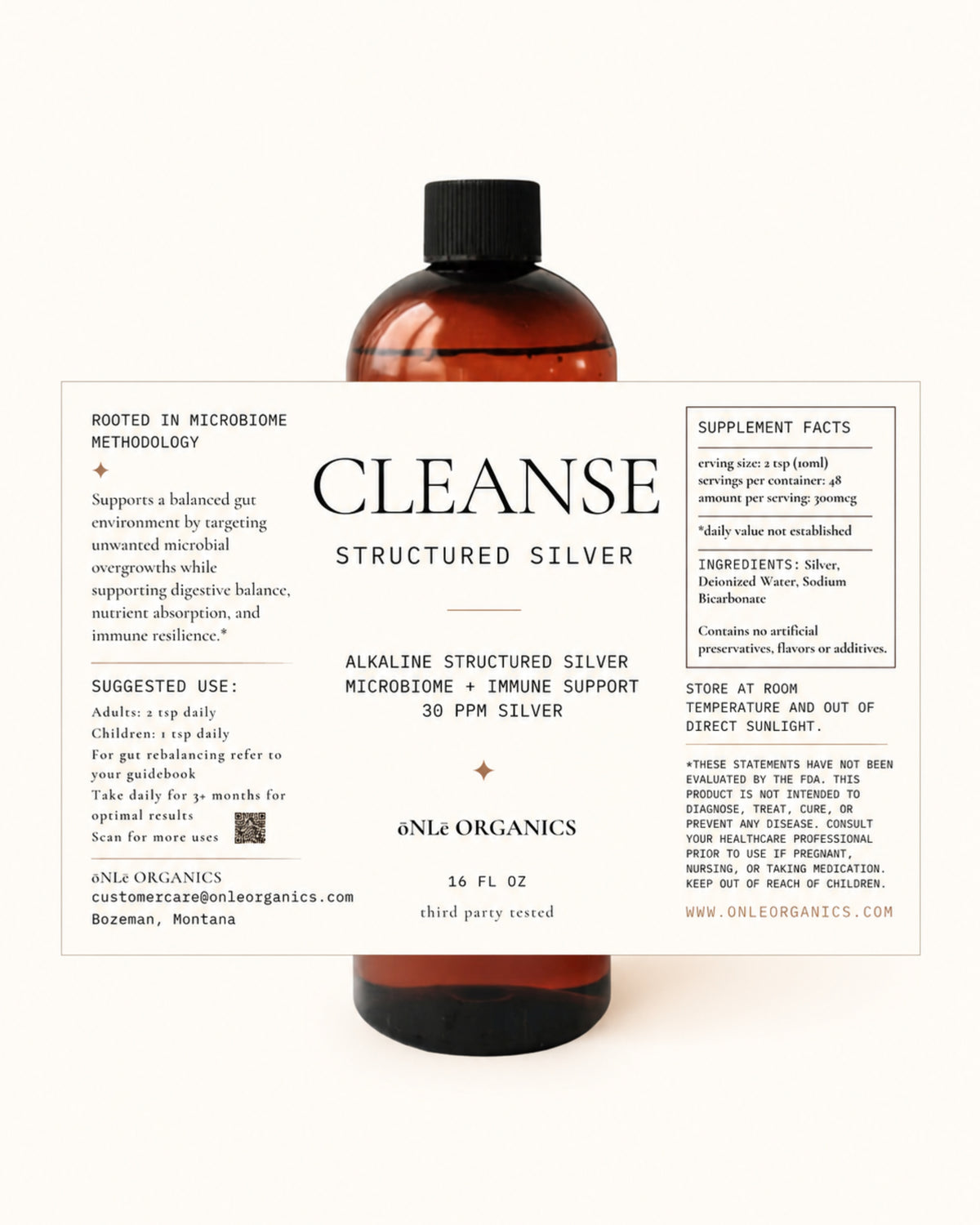
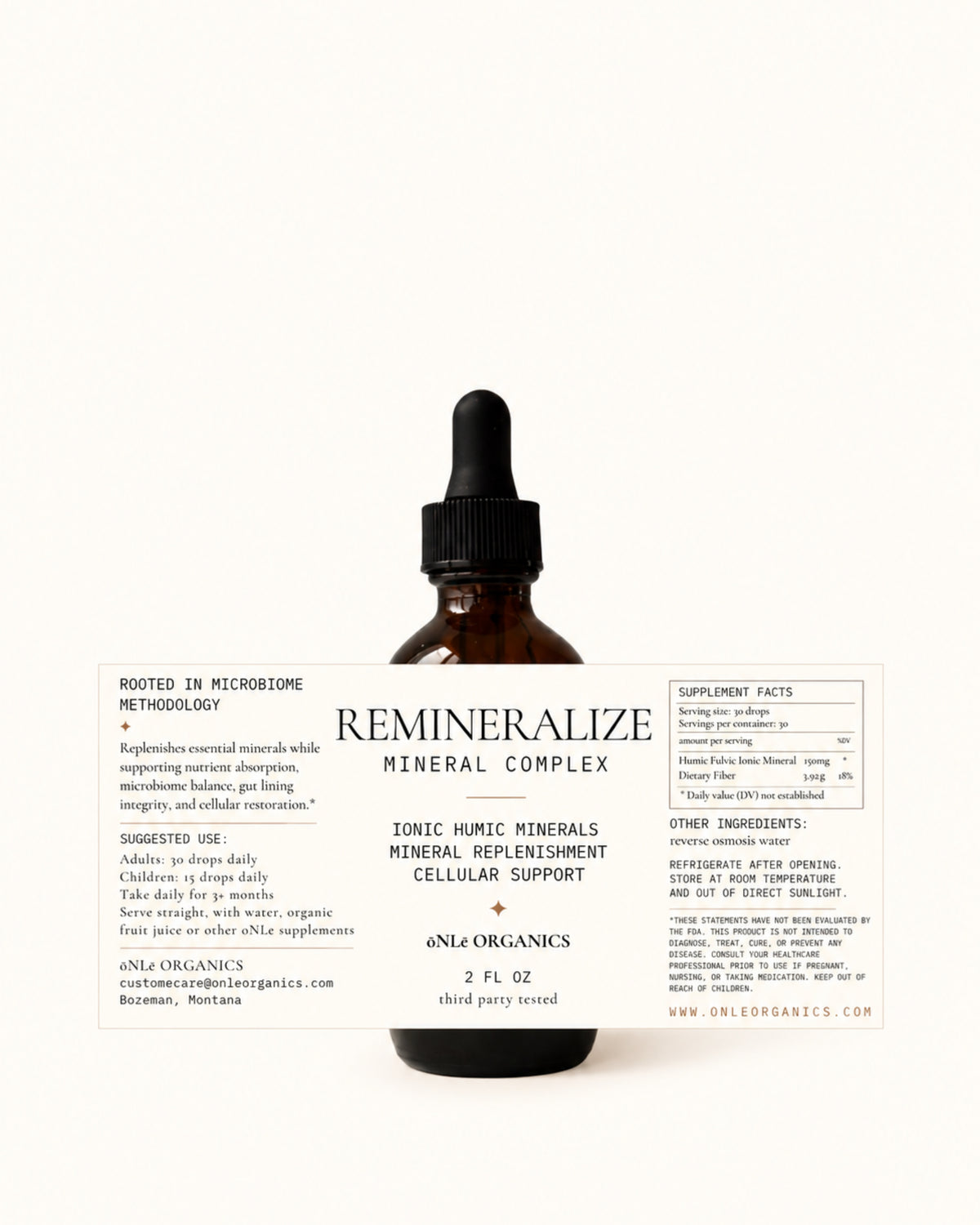
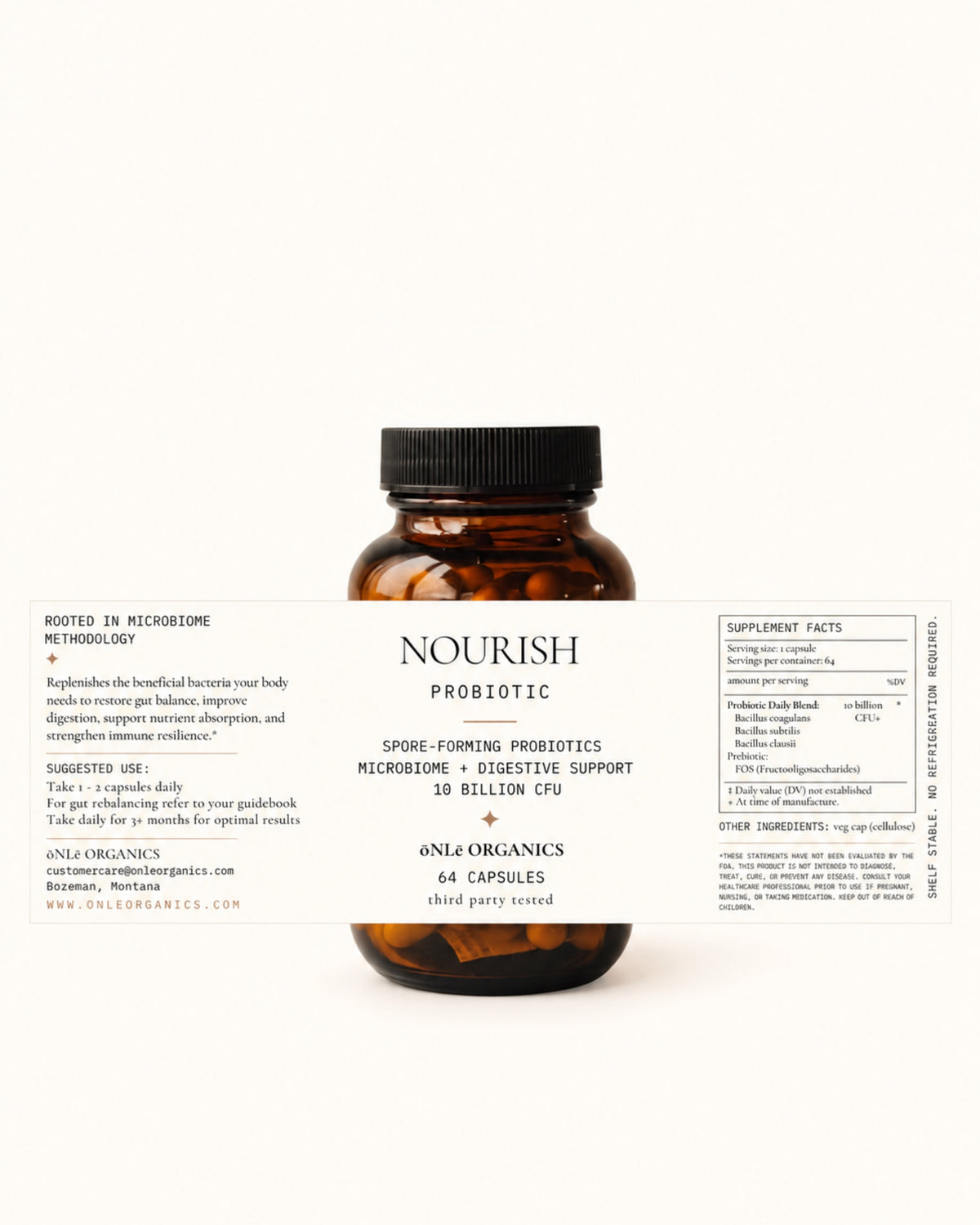
Rebalancing is about supporting the entire microbial ecosystem, not simply adding beneficial bacteria through a probiotic. The method brings together Cleanse, Nourish, Bind, and Remineralize with nutrition, natural drainage, and step-by-step guidance.
And because maternal and infant microbial health are so closely connected, supporting your own microbiome is an important part of this conversation, too.
The goal is to support microbial health proactively, rather than waiting for symptoms to become more disruptive.
Explore the Gut Rebalance Method
What Cradle Cap Can Teach Us About Our Children's Health
Cradle cap is often one of the first visible changes mothers notice in their baby's health.
And while the flakes themselves are easy to see, the biological processes occurring beneath them are far more complex.
What begins as a conversation about yeast and a baby's scalp opens the door to understanding microbial development, maternal microbial transfer, immune regulation, and the extraordinary connections between systems throughout the body.
Removing the flakes is not the same as understanding why they appeared.
And when other symptoms begin appearing, those connections become even more important.
The earlier we begin understanding and supporting our children's microbial health, the more intentionally we can care for the systems influencing their development.
Because the goal was never simply to get rid of cradle cap. It's to understand and support the health of the whole child.