



Research the RootPregnancy + PostpartumIssue 10.0
What It Means to Enter Birth, Postpartum, and Breastfeeding With an Imbalanced Microbiome, and Why It Is So Common
Everyone asks about rebalancing during pregnancy and breastfeeding. Learn why entering birth, postpartum, and breastfeeding with an imbalanced microbiome deserves equal attention.
Read the full article
What It Means to Enter Birth, Postpartum, and Breastfeeding With an Imbalanced Microbiome, and Why It Is So Common
Every conversation about supporting the gut during pregnancy or breastfeeding seems to begin with the same question…
Is it safe?
That question is understandable. But it is incomplete.
Because while everyone is asking what could happen if a woman rebalances during pregnancy or breastfeeding, no one is asking what is already happening if she enters pregnancy, birth, postpartum, and breastfeeding with too much bad bacteria, yeast, mold, fungus, or parasites in her body and not enough good bacteria.
What does that imbalance mean for her digestion, immune system, nutrient absorption, hormone metabolism, bowel movements, mental health, postpartum recovery, breast milk, and the microbiome her baby inherits?
Doing nothing is treated as the neutral option.
But the microbiome doesn’t stop changing because a woman is pregnant. Bad overgrowths don’t pause. Beneficial bacteria don’t replenish themselves simply because the body is growing a baby. And the microbial environment a child inherits and develops through pregnancy, birth, breastfeeding, touch, and life inside the family doesn’t form separately from the mother.
The question isn’t only whether we should support the gut during pregnancy and breastfeeding.
The question is what happens when we don’t.
Gut Imbalance Is Unbelievably Common
Most women don’t enter pregnancy after years of intentionally protecting and restoring their microbiome.
We enter pregnancy carrying the microbial effects of everything our bodies have lived through.
Antibiotics. Processed food. Refined sugar. Pesticides. Chlorinated water. Medications. Chronic stress. Constipation. Indoor living. Environmental exposure. And a microbial inheritance that is already less diverse than it was for the generations before us.
Not because we were careless.
Because most of us were never taught why restoring the microbiome matters, much less how to do it intentionally.
We were taught that an infection was gone when the antibiotic ended. We weren’t taught that the protective bacteria cleared by that prescription still needed to be replenished.
We were told constipation was normal during pregnancy. We weren’t taught that slower elimination changes the microbial environment and what happens when waste is inside the body longer.
We were told recurring yeast infections were hormonal. We weren’t taught that hormones can expose an imbalance that was already there.
And when bloating, reflux, food reactions, nausea, anxiety, exhaustion, and skin symptoms appeared, they were separated into individual problems instead of understood as communication from one connected body.
There isn’t one universally accepted clinical test that can tell us exactly what percentage of women enter pregnancy with an imbalanced gut, so I’m not going to give you a made-up statistic.
But we don’t need a single percentage to understand why imbalance is so common.
Research comparing industrialized and less-industrialized populations has documented a substantial loss of gut microbial diversity, including beneficial organisms that once traveled with human beings across generations.
And the modern exposures that deplete beneficial bacteria and allow bad bacteria, yeast, mold, fungus, and parasites to become too abundant are now part of everyday life.
This is my conviction:
If you aren’t intentionally protecting and restoring your gut balance in today’s world, you have some degree of imbalance.
That isn’t an accusation, and it isn’t another standard women are failing to meet.
It is the microbial reality of modern life.
Pregnancy doesn’t begin the microbial story.
It enters one that is already in progress.
“Eat Healthy and Take a Prenatal” Isn’t the Whole Conversation
We are told to “eat healthy and take a prenatal vitamin” as though consuming nutrients is the same as absorbing and using them.
It isn’t.
A prenatal can contain folate, iron, vitamin B12, zinc, magnesium, and every other nutrient listed on the label. But the body still has to break that supplement down, absorb those nutrients through the intestinal lining, convert them into usable forms, and transport them where they need to go.
And all of that depends on the health of the digestive system and microbiome.
When there is too much bad bacteria, yeast, mold, fungus, or parasites and not enough beneficial bacteria, the body’s ability to digest food, protect the intestinal lining, produce and use nutrients, and absorb what it is being given is compromised.
This means a woman can eat an incredibly nutrient-dense diet, take an expensive prenatal every day, and still enter pregnancy depleted.
Her baby doesn’t receive the nutrition printed on the back of the prenatal bottle.
Her baby receives what her body is able to digest, absorb, convert, transport, and make available.
This isn’t an argument against taking a prenatal. Prenatal vitamins are important.
But a prenatal is an input.
The gut determines what the body can do with it.
So before we keep telling women to eat better or take another supplement, we need to ask whether their bodies have the microbial foundation required to use what they are already giving them.
Because pregnancy increases the body’s nutritional demands. It doesn’t automatically increase its ability to meet them.
And this is another reason restoring the maternal microbiome needs to be part of pregnancy preparation, pregnancy itself, postpartum recovery, and breastfeeding.
Pregnancy Changes the Microbiome, Even If You Begin in Balance
Pregnancy doesn’t only increase the amount of nutrition the body needs. It changes the entire environment responsible for digesting, absorbing, metabolizing, and using it.
Even a woman who enters pregnancy with a gut that is in balance won’t move through the next nine months with a microbiome that stays exactly the same.
Pregnancy is one of the most metabolically, nutritionally, hormonally, and physically demanding experiences the body can move through. The mother is building a placenta, expanding her blood volume, growing new tissue, supporting a rapidly developing baby, and preparing for birth and breastfeeding.
Her body needs extraordinary amounts of energy and nutrients because it is doing all of that work at once.
And her body is designed to prioritize the baby.
The placenta continually transfers nutrients from the mother’s circulation to the developing baby. When what she is eating, absorbing, and storing isn’t enough to meet their combined demand, her body draws from its own reserves to keep supplying that growth.
This is how a woman can give birth to a healthy baby and come out of pregnancy deeply depleted.
But nutrients are only part of what pregnancy is asking of her.
Pregnancy creates some of the most dramatic hormonal changes of a woman’s life.
Estrogen and progesterone rise. Insulin sensitivity shifts. Cortisol, thyroid activity, immune signaling, digestion, and intestinal motility all change.
And the microbiome isn’t simply responding to hormonal changes happening somewhere else in the body.
It’s actively participating in them.
Some steroid hormones and neurosteroids are actually produced inside the gut through microbial metabolism. Certain gut bacteria transform hormonal compounds entering the intestines into progestins. Other organisms produce enzymes that activate, deactivate, and recirculate estrogen, helping determine whether it leaves through stool or returns to circulation.
So the gut isn’t separate from the hormones rising and fluctuating throughout pregnancy. It helps shape what happens to them.
At the same time, those hormones are changing intestinal motility, immune activity, metabolism, the intestinal lining, and which microorganisms are able to flourish.
The microbiome helps produce and metabolize hormones.
And hormones help shape the microbiome.
It’s a two-way street.
So when the gut is imbalanced, we aren’t only talking about digestion. We are talking about an imbalance inside one of the systems participating in how pregnancy hormones are produced, transformed, recirculated, and eliminated.
And pregnancy doesn’t only reveal an imbalance that was already there.
Pregnancy itself can create or deepen one.
Some microbial changes are normal adaptations to pregnancy. But the body adapting doesn’t mean the mother can’t become depleted, and it doesn’t mean her microbiome will remain balanced under that level of demand.
Even when she begins pregnancy in balance, this enormous hormonal exchange, slower motility, changes in immune function, and rapidly increasing nutritional demands are really hard on the microbiome.
This is why supporting the microbiome during pregnancy isn’t only about correcting what existed before conception.
It’s about protecting and replenishing a living ecosystem while pregnancy is placing more demand on it than ever before.
And while the mother’s microbiome is changing, it’s also helping shape the microbial foundation her baby receives.
Your Baby’s Gut Is Sterile While in Utero, but It Isn’t Uninfluenced
A baby doesn’t develop in the womb with an established gut microbiome.
In a healthy pregnancy, the fetal gut is sterile. There isn’t a community of good bacteria or bad bacteria living there yet.
But sterile doesn’t mean uninfluenced.
Throughout pregnancy, the mother’s microbiome communicates with every system involved in growing her baby.
Those microbial metabolites and immune signals become part of the environment in which the baby’s immune system, metabolism, and developing body are being shaped.
The mother’s bacteria don’t need to be living inside the baby’s gut for her microbiome to influence her baby.
Her microbial balance affects how her body absorbs and supplies nutrients, regulates inflammation, responds to infection, metabolizes hormones, and communicates with the developing immune system throughout pregnancy.
Then birth changes the relationship.
Birth is the baby’s first major exposure to living bacteria and the beginning of microbial colonization. This initial inoculation is often called microbial seeding.
During a vaginal birth, the baby is exposed to bacteria from the mother’s gut, vagina, and skin. Those organisms encounter the baby’s mouth, nose, skin, and digestive tract and begin helping establish the earliest microbial community.
During a Cesarean birth, the route of exposure is different.
Instead of moving through the birth canal and receiving that same maternal exposure, the baby’s earliest colonizers are more likely to come from the mother’s skin, the medical team, the hospital, and the surrounding environment. Transmission of certain maternal gut bacteria can be reduced or delayed, and the antibiotics used around surgery shape that starting community further.
This information isn’t here to shame a mother or rank one birth as good and another as bad.
Cesarean births save lives. Antibiotics can be necessary. Birth doesn’t always happen according to a plan, and neither a mother nor her baby has failed because medical intervention was needed.
But different births create different first microbial exposures.
Knowing this helps us understand the baby’s starting point so we can make more intentional decisions about what happens next.
Birth Doesn’t Close the Microbial Window
Microbial seeding begins at birth, but the microbiome isn’t built in one moment.
It continues developing through breastfeeding, skin contact, family members, pets, medications, illness, food, and the microbial environment inside the home.
A large 2026 study followed 714 mother-infant pairs and analyzed more than 4,500 stool samples from pregnancy through the baby’s first year. The maternal gut was a major reservoir for the bacterial strains that appeared in the infant gut. Delivery mode, feeding method, maternal diet, infection, and other exposures continued shaping the baby’s developing microbial community.
This means birth creates a starting point.
It doesn’t create an unchangeable microbial destiny.
The early months and years continue creating opportunities for maternal bacteria and other beneficial organisms to become part of the child’s microbiome.
Medical exposures during and around birth matter too.
A systematic review of 24 studies found that babies exposed to antibiotics before or during birth had lower microbial diversity, fewer Bifidobacteria and Bacteroidetes, and more Proteobacteria than unexposed infants.
That matters, but it isn’t a reason to drown yourself in guilt.
Antibiotics can be necessary. Cesarean births can be necessary. Feeding plans can change. A baby can need medical care that no mother anticipated.
And no single birth decision determines a child’s lifelong health.
The microbiome remains responsive after birth. It continues changing through every new microbial exposure and every opportunity for intentional restoration.
You haven’t missed the opportunity because birth looked different from what you planned.
But the body also won’t restore itself simply because the birth is over. The mother and baby both need microbial support after the exposures they experienced.
Postpartum Is a Microbial Transition Too
Birth doesn’t end the demand on the mother’s body. It changes what her body is being asked to do.
A woman enters postpartum with whatever nutritional and microbial foundation remains after pregnancy and birth. Then her hormones shift dramatically, her tissues begin healing, her uterus contracts, her blood volume changes, and if she is breastfeeding, her body begins producing milk.
She is doing all of this while sleep is fragmented, meals can become inconsistent, and her nervous system is adapting to life with a newborn.
The microbiome doesn’t reset when the baby is born.
A systematic review of the maternal postpartum gut microbiome found that diet, probiotic use, delivery timing, environmental chemical exposure, gestational diabetes, preeclampsia, postpartum depression, weight, and other factors were connected to microbial differences after birth.
A woman can leave pregnancy depleted in beneficial bacteria and essential minerals while her body is being asked to heal tissue, regulate hormones, produce milk, manage interrupted sleep, and recover from birth.
Waiting until she feels completely depleted before supporting her gut doesn’t protect her.
It only delays the restoration her body already needs.
Breastfeeding Is Part of the Microbial Relationship
Breast milk is more than nutrition.
It contains immune factors, metabolites, human milk oligosaccharides that feed specific beneficial bacteria, and its own microbial community.
Research has found connections between bacteria in breast milk and the developing infant gut. The mother’s digestion determines how effectively she can break down and use the nutrients she consumes. Her microbiome participates in immune regulation, metabolism, elimination, and the production of compounds that communicate throughout the body.
And while she is breastfeeding, she and her baby remain in a close nutritional, immune, and microbial relationship.
Supporting the mother’s gut during breastfeeding isn’t separate from supporting the baby.
It is one of the ways we support them together.
Why I Rebalanced While I Was Pregnant and Breastfeeding
I didn’t learn this information before becoming a mother.
I learned it because my son was suffering.
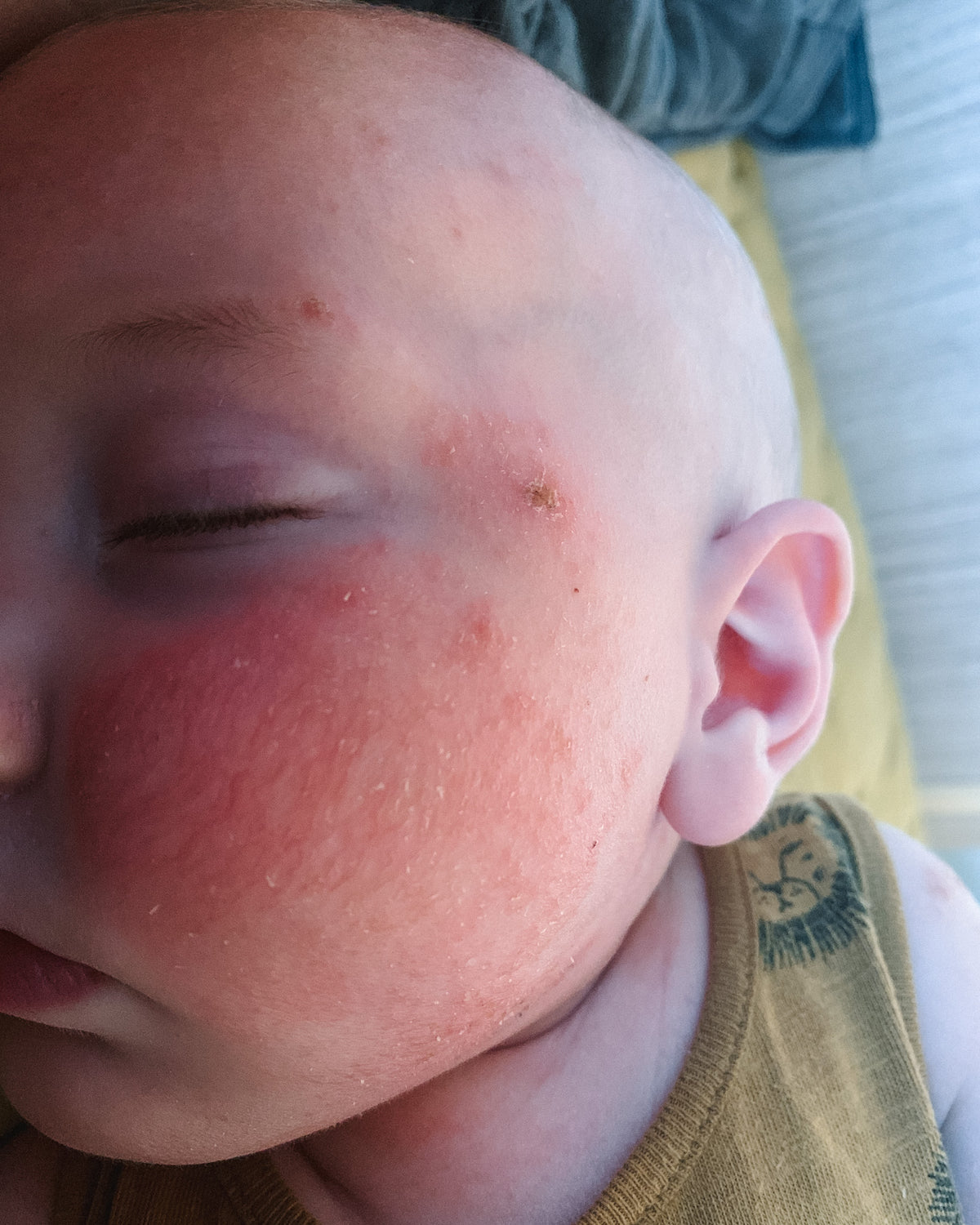
I was breastfeeding him while trying to heal his colic, reflux, eczema, allergies, digestive symptoms, sleep disruption, and behavioral changes that had taken over our lives.
And while I was healing him, I was pregnant with my third child.
I learned that I couldn’t treat my breastfeeding son’s microbiome as though it existed separately from mine. And I didn’t want to enter another birth carrying the same imbalance I had unknowingly passed forward before.
So I rebalanced myself while I was pregnant and breastfeeding.
I did it under the guidance of my naturopath and with the full approval of my midwife.
I wasn’t following an aggressive parasite cleanse. I wasn’t trying to force my body through a harsh detox. And I wasn’t clearing organisms without simultaneously restoring what my body needed.
I was clearing the bad bacteria, excessive yeast, mold, fungus, and parasites my body had too much of while replenishing beneficial bacteria.
That distinction changed everything.
It is also one of the reasons the ōnlē Gut Rebalance Method exists.
Rebalancing Isn’t a Parasite Cleanse or Detox Protocol
A traditional cleanse is built around elimination.
Kill the parasite. Clear the yeast. Detox the toxin.
But removing something harmful doesn’t automatically restore the ecosystem it disrupted.
Rebalancing does both.
The ōnlē Gut Rebalance Method clears the overgrowths the body has too much of while replenishing the beneficial bacteria and minerals it doesn’t have enough of.
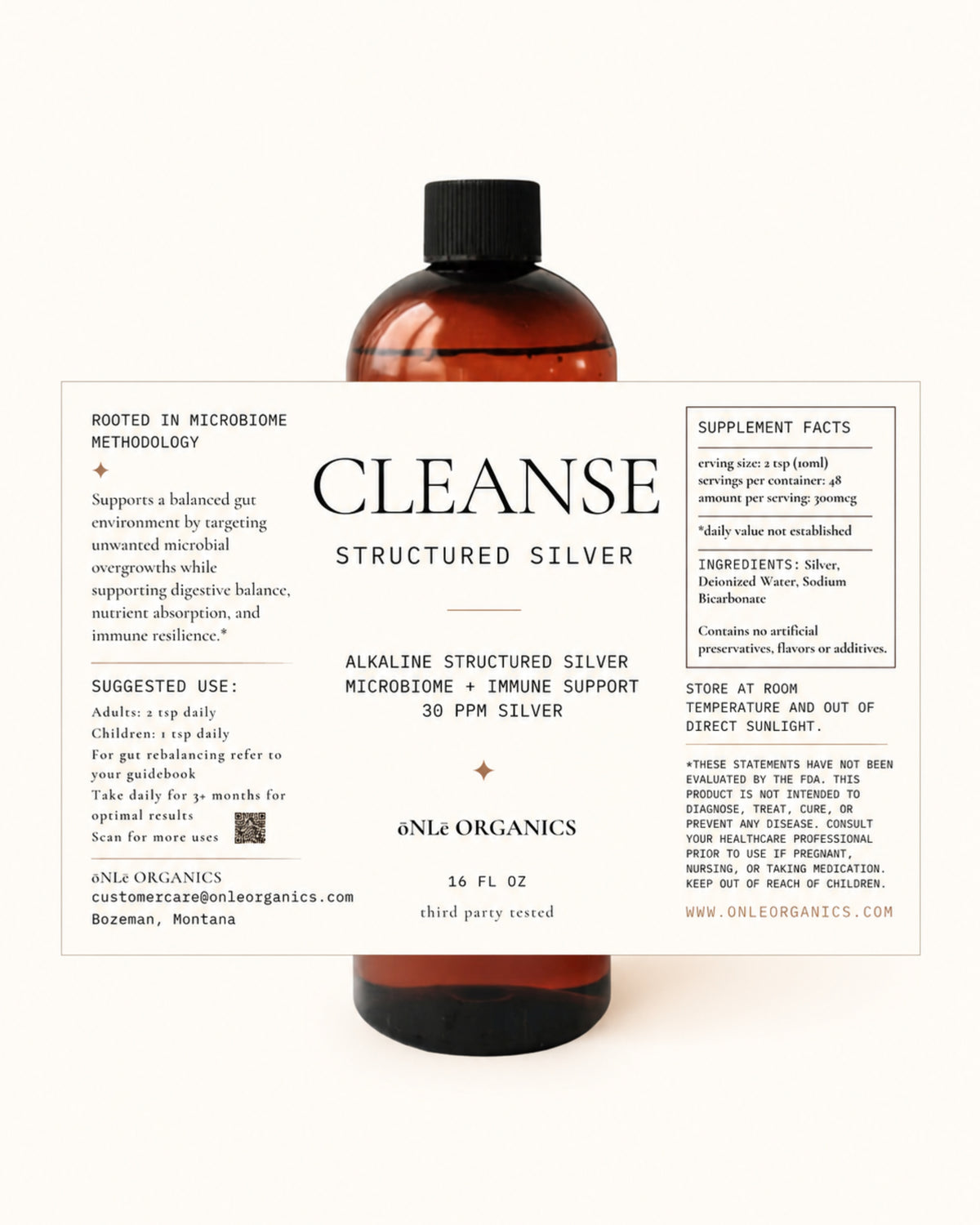
Cleanse clears bad bacteria, excessive yeast, mold, fungus, and parasites while leaving beneficial bacteria untouched.
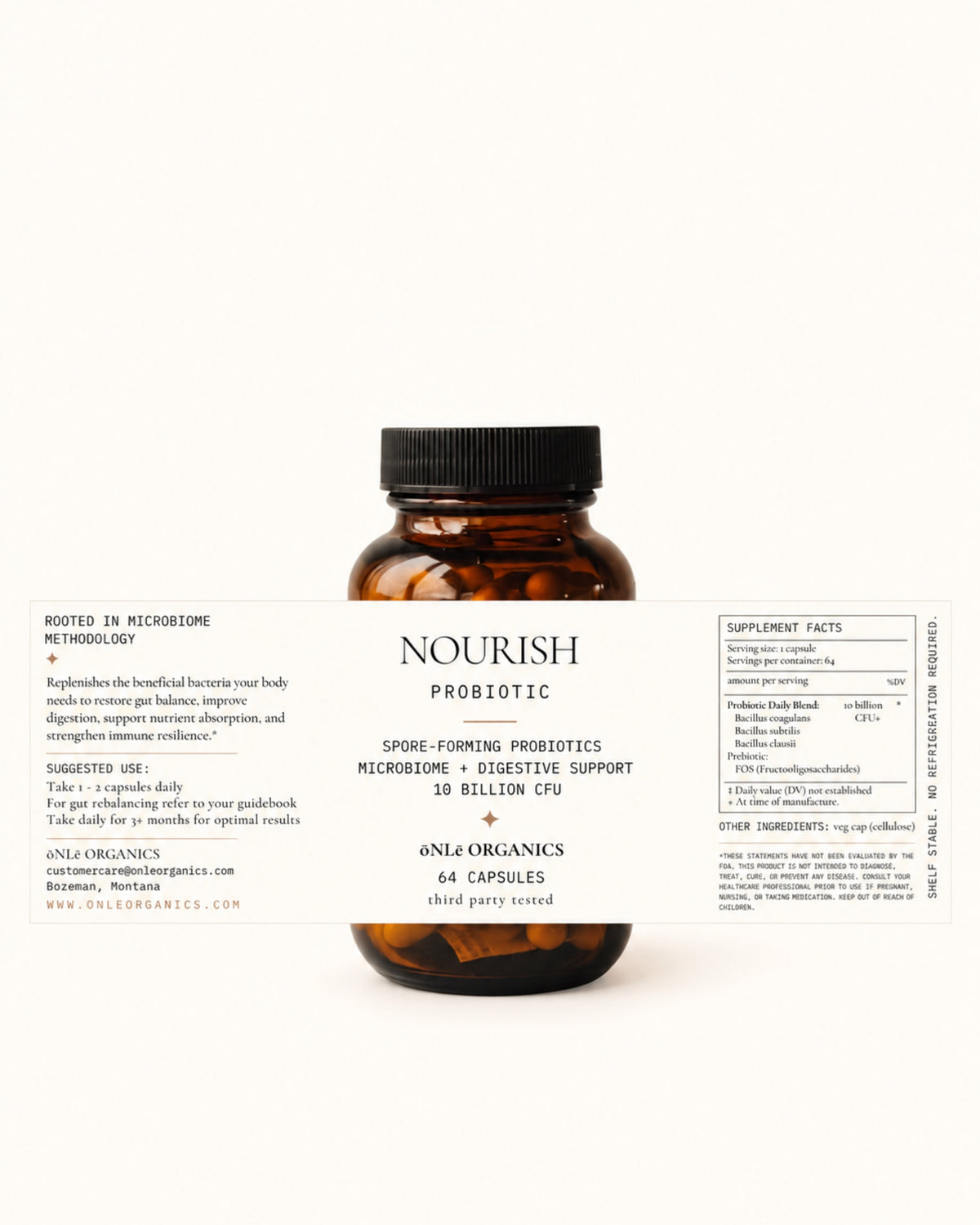
Nourish restores the gut with beneficial spore-forming bacteria and helps the wider microbial community rebuild.
Bind supports the body in carrying out toxins, heavy metals, waste, and the material released as overgrowths are cleared.
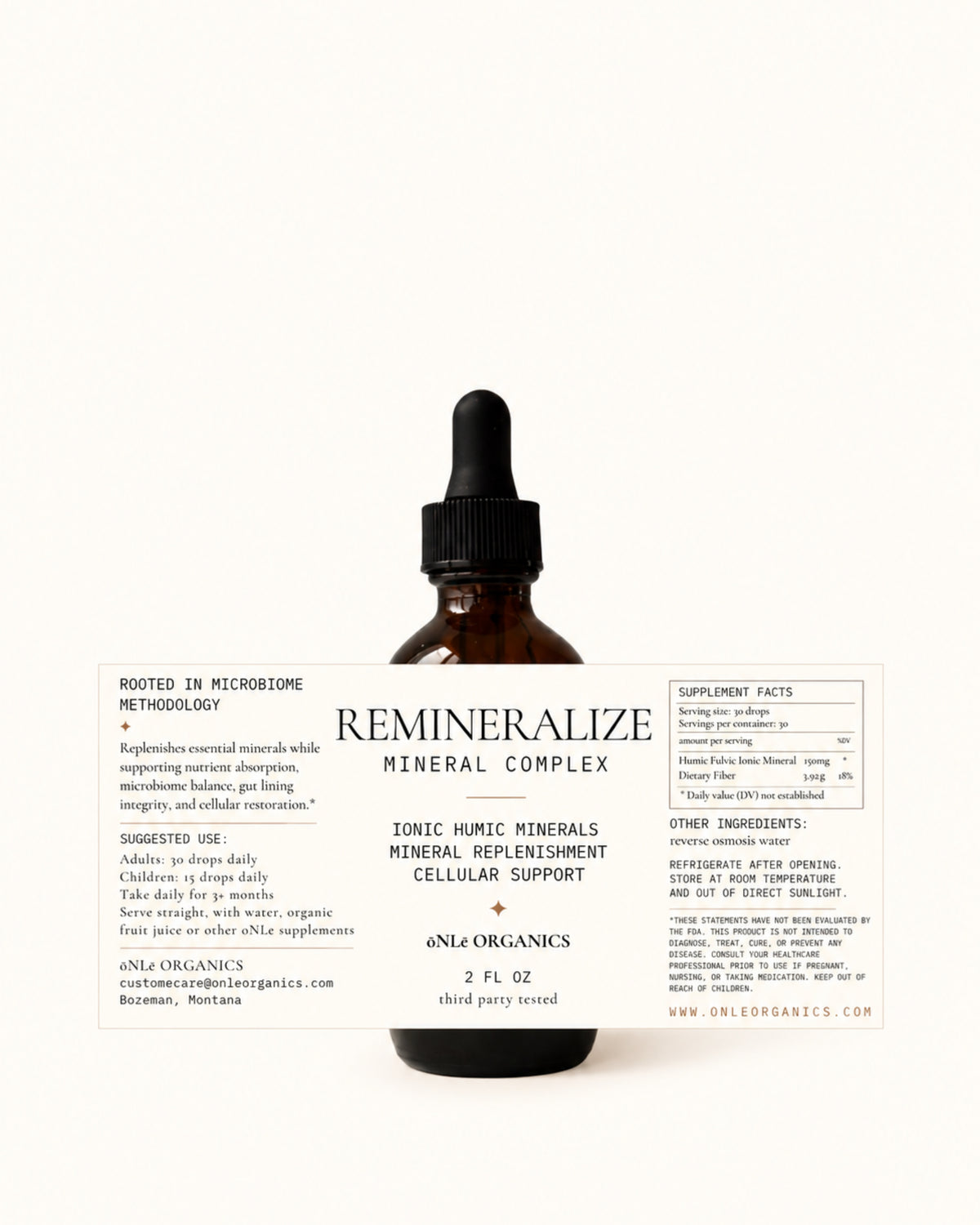
Remineralize replenishes essential minerals that support digestion, hydration, tissue repair, nervous-system function, elimination, and immune resilience.
The supplements work together with the ōnlē Method Course as one complete guided methodology.
The course teaches you how to prepare the body, support the drainage pathways, keep the bowels moving, use food to stop feeding bad overgrowths, support the nervous system, and understand what your body is communicating throughout the process.
That is completely different from buying a parasite cleanse, following a detox checklist, and asking the body to eliminate more without rebuilding what has been depleted.
During pregnancy and breastfeeding, that distinction matters even more. The mother’s body is already giving an extraordinary amount to the baby, so clearing what it has too much of has to happen alongside replenishing what both mother and baby need.
Waiting Doesn’t Preserve the Microbiome
When a woman is told to wait until pregnancy or breastfeeding is over to address her gut, waiting sounds like the cautious, neutral choice.
But an existing imbalance continues influencing digestion, nutrient absorption, hormone metabolism, immune activity, elimination, and the microbial environment being shared with the baby. At the same time, pregnancy and breastfeeding continue drawing on the mother’s energy, nutrients, minerals, and microbial resilience.
So the choice isn’t between changing the body and leaving it untouched.
The body is already changing.
The question is whether that change is being intentionally supported.
We need to stop discussing gut support during pregnancy and breastfeeding as though taking action is the only choice with biological consequences.
An existing imbalance is already active.
And waiting doesn’t make it neutral.
This Isn’t About Creating a Perfect Pregnancy
You can eat organic food, avoid unnecessary medications, prepare carefully for birth, breastfeed, and still have an imbalanced microbiome.
You can have a Cesarean birth and build a healthy microbial future for your child.
You can need antibiotics and intentionally restore afterward.
You can learn all of this after your baby is born and still change what happens next.
The goal isn’t to control every exposure or make mothers responsible for every symptom their children experience.
The goal is to recognize that the maternal microbiome is a living inheritance we can care for.
Pregnancy and breastfeeding aren’t reasons to stop thinking about the gut.
They are some of the most important opportunities we will ever have to support it.
This Is Generational Healing
Before conception is a beautiful time to rebalance.
But if you are already pregnant, you haven’t missed the opportunity.
If you are breastfeeding, you haven’t missed the opportunity.
If your child is already showing symptoms, you haven’t missed the opportunity.
You’re not trying to create a body that never encounters bacteria, yeast, mold, fungus, parasites, medication, stress, or environmental exposure.
You are creating a microbial environment with enough beneficial bacteria, minerals, immune regulation, and elimination support to respond to the world it lives in.
And when a mother restores her microbiome, she is doing more than addressing her own symptoms.
She is changing the microbial environment surrounding her pregnancy, her recovery, her breast milk, her child, and the family living alongside her.
That is why this conversation is so much bigger than asking whether a woman can rebalance while pregnant or breastfeeding.
The real question is why we would wait until the mother and child are both struggling before we decide their microbial foundation matters.